

What if your next 50 leads had already told you they were interested? You just hadn't noticed yet. Every day, hundreds of potential buyers like, comment, and share posts about the exact problems your product solves. These LinkedIn post engagers are warm leads hiding in plain sight.
Here's what kills me: most sales teams ignore them completely. They blast cold emails instead, getting a 4.1% response rate. That means 95.9% go straight to the void. Brutal, right? There's a better way. This guide shows you how to find, extract, and reach out to LinkedIn post engagers. No manual scraping. No $500+ monthly tool stacks. Just warm leads who actually want to hear from you.
Why LinkedIn Post Engagers Are Your Best Warm Leads
I spent three years doing traditional prospecting. You know the drill. Build lists based on job titles and company size. Pray the contact info is accurate. Send a thousand emails to get ten replies. It was exhausting. And honestly? It felt like throwing darts blindfolded.
Then something clicked. I was scrolling LinkedIn one Tuesday morning (procrastinating, if I'm being honest) and noticed who was engaging with a competitor's post about outbound challenges. These weren't random people. They were raising their hands, saying "I care about this topic." Light bulb moment.
So what exactly is a warm lead? A warm lead is someone who's already shown interest through engagement. They've liked, commented, or shared content related to your solution. This is the fundamental shift from demographic-based to intent-based lead generation. When someone comments on a post about sales automation challenges, they've just told you they're thinking about sales automation. That's behavioral data, not just firmographic data. Big difference.
The numbers back this up. According to LinkedIn, 75% of B2B buyers use social media to make buying decisions. Even more telling: 84% of C-level executives use social media for purchase decisions. And companies using intent data report a 99% increase in sales or ROI. Read that again. 99%.
Here's what nobody tells you about response rates: the secret isn't better copy or more volume. It's targeting people who've already shown interest. LinkedIn generates 80% of all B2B leads from social media. So why are we still cold-calling people who've never heard of us? There's a goldmine of engaged prospects right in front of us.
Sound familiar? You're not alone. Most sales teams don't know how to capture these engagement signals. That's the real problem.
Understanding LinkedIn Engagement Signals for Lead Generation
Let me break down what we're looking at. LinkedIn engagement comes in three flavors. Each tells you something different about intent. Stay with me here.
What are engagement signals? Engagement signals are actions that indicate buying interest. Likes, comments, and shares all count. But they're not equal. Not even close.
Likes are the broadest signal. Someone tapping that thumbs up found the post interesting enough to acknowledge. Low effort means high volume. But the intent signal is weaker.
Comments show deeper engagement. Writing a response takes time and thought. Someone commenting on a post about cold outreach burnout is probably experiencing cold outreach burnout. That's a much stronger signal. (And yes, I've reached out to those exact people. It works.)
Shares indicate advocacy. When someone reposts content, they're endorsing the idea. These folks don't just care. They want others to see it too.
Here's the hierarchy I use: commenters show more intent than likers, but likers give you volume. The sweet spot depends on your capacity. Can you reach out to 20 people a day? Prioritize commenters. Scaling outreach? Likers become valuable too.
Research from LinkedIn via LiGo shows posts with over 5 comments get 2.5x more views. Posts with comments are 8x more likely to be shared. This means high-engagement posts attract more eyeballs and more potential leads. It's a virtuous cycle.
The key insight? These signals can be extracted and turned into actionable lead lists. Tools like Guffles, Phantombuster, and Apify can automate the extraction process. The question is finding one that fits your budget and workflow.
The Problem With Manual Scraping and Expensive Tool Stacks
So we've established that post engagers are valuable. But how do you actually get their information? This is where things get frustrating.
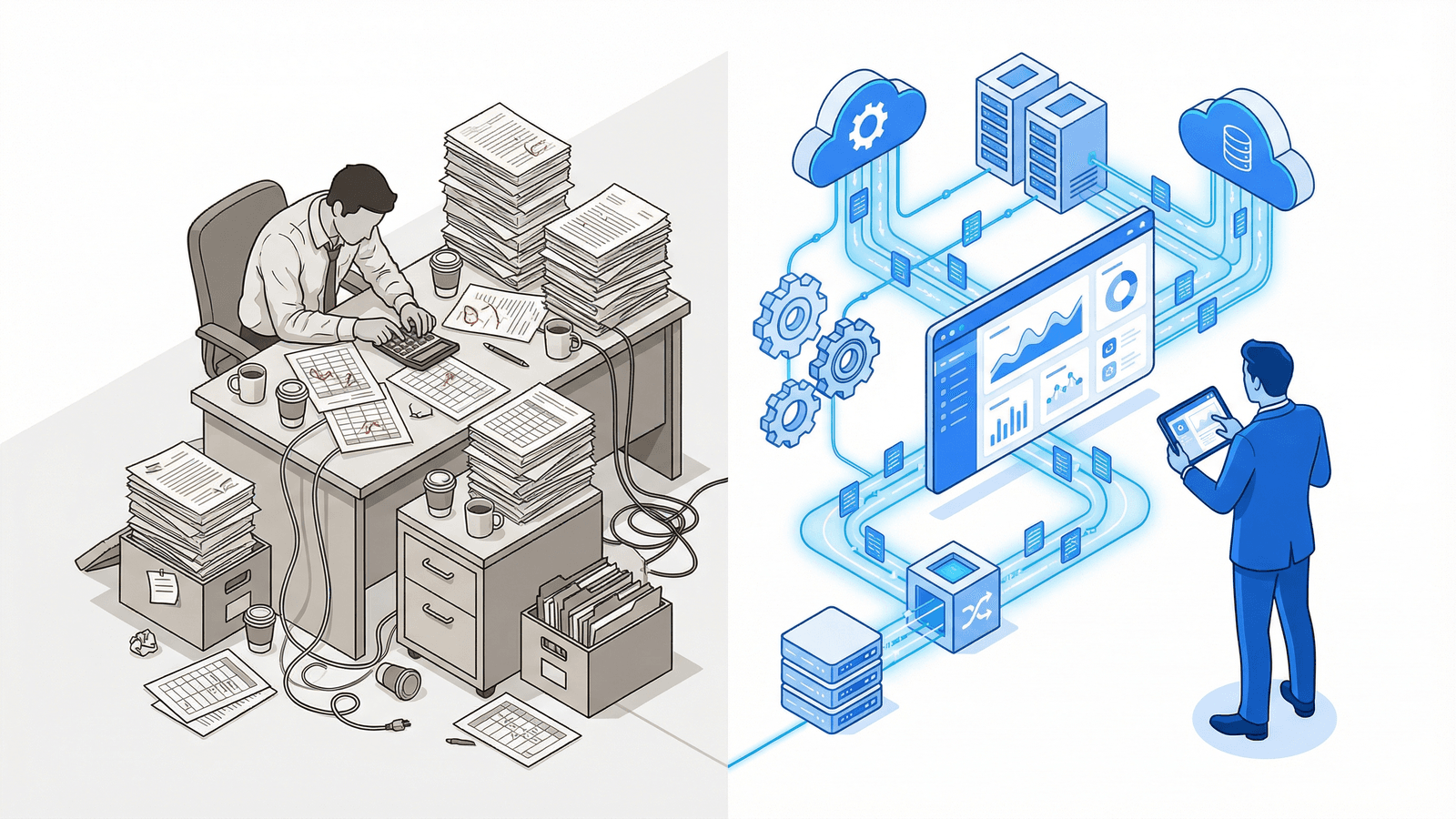
Most people start with the manual approach. Click on "Reactions." Open each profile in a new tab. Copy their name, title, and company into a spreadsheet. Maybe hunt down their email. I've done this. It's brutal. Soul-crushing, even.
Last month I timed myself: 3 hours to build a 50-person list from a single viral post. That's 3.6 minutes per lead just for data entry. Not including qualification or outreach. At that rate, finding 200 leads would take an entire workday. By hour two, I was ready to throw my laptop out the window. No wonder SDR burnout is so high. HubSpot reports 52% turnover in a year with average tenure of just 14-15 months. Can you blame them?
So you look at tools. That's where sticker shock hits.
The enterprise tool stack approach looks like this: Phantombuster ($69/month) for extraction + Apollo ($300/month) for enrichment + Clay (more cost) for workflows. You're suddenly at $500+ per month. Just for basic lead extraction and enrichment. ZoomInfo? Average contract is $85,781 per year according to Vendr (2025). That prices out most SMBs and individual SDRs right away. It's absurd.
Look, there has to be a middle ground between manual drudgery and enterprise pricing. And there is.
What is intent-based prospecting? Intent-based prospecting means finding people who've shown buying interest through their actions, not just their job title or company size. Unlike tool stacks that require Phantombuster + Apollo + manual enrichment, Guffles offers a single-tool solution at $79/month with $150 in free credits. Paste a LinkedIn post URL. It extracts all engagers with contact info, filtered by your ICP criteria. No complex workflows. No multiple subscriptions. Just paste the URL and get your leads.
That's the affordable alternative the market's been missing.
How to Find Warm Leads From LinkedIn Post Engagement
Let me walk you through my exact methodology. This works whether you're doing it manually, with a browser extension, or with a dedicated tool. I've refined this over hundreds of campaigns.
Step 1: Identify High-Value Posts to Mine
Not all posts are created equal. I focus on three types:
- Competitor posts: People engaging with your competitor's content already want solutions like yours. Absolute gold mine.
- Industry influencer posts: People following thought leaders care about the problems you solve.
- Your own posts: If you're creating content, your engagers are the warmest leads. They already know you.
Look for posts with 50+ engagements. Anything less won't give you enough volume. Trust me on this one.
Step 2: Extract the Engagers
You've got options:
- Manual: Free but time-consuming. Click through, copy data. Works for small batches. But honestly? It'll make you hate your job.
- Browser extensions: Mid-tier solution. Faster than manual. Usually cheaper than full tools.
- Dedicated tools: Fastest and most complete. Worth it at any real scale.
Pick based on volume needs and budget. There's no shame in starting manual to prove the concept.
Step 3: Filter by ICP Criteria
This is critical. Not every engager is a lead. A viral post might have thousands of likes. But how many are actually your ideal customer? Probably fewer than you'd hope.
Filter by:
- Job title: Decision-maker or individual contributor?
- Company size: Enterprise or SMB?
- Industry: A vertical you serve?
This is where intent meets qualification. Someone who liked a post AND matches your ICP? That's a lead worth pursuing. Everyone else? Skip them.
Step 4: Enrich and Prioritize
Add contact data where possible. Email, phone, LinkedIn URL. Then prioritize by engagement depth. My rule: commenters first, then likers. Always.
Some tools handle enrichment automatically. If yours doesn't, you'll need a separate enrichment step. Either way, focus on quality over quantity. According to Expandi, warm outreach sees 3-5x higher response and conversion rates compared to cold outreach. That's not a small difference. That's a game-changer. Focus your energy on the best leads first.
Are Likers or Commenters Better Leads?
This is one of the most common questions I get. Let me give you a straight answer. No hedging.
Commenters are higher-intent leads. Writing a comment takes effort. You have to read the post, form an opinion, and take time to respond. Someone commenting "We struggled with this exact issue last quarter" is practically waving a flag. They're saying "sell to me." I'm not exaggerating.
Likers provide volume. A post might get 500 likes but only 30 comments. Need to reach 100 people this week? Likers give you the numbers.
So which should you prioritize? Depends on your capacity:
- High volume, broad targeting: Focus on likers. Cast a wider net.
- Lower volume, higher quality: Prioritize commenters. Better conversion. Less wasted effort.
- Best practice: Start with commenters. Expand to likers if you need more volume.
Real talk: I've tested this myself. My response rate from commenters is usually 2-3x higher than from likers on the same post. Last quarter I tracked it obsessively. Commenters converted at 18%. Likers at 7%. But when I needed to hit quota and had exhausted the commenters, those likers still converted better than cold prospects from a purchased list.
The bottom line? Both are valuable. Commenters are just more valuable per lead. Don't overthink it.
How to Reach Out to LinkedIn Post Engagers Without Being Spammy
Finding the leads is only half the battle. Your outreach has to match the intent signal. Nothing kills a warm lead faster than a generic pitch. I've seen people do this. It hurts to watch.
Here's my approach:
Reference the specific post. "I saw your comment on [Author's] post about sales automation..." This shows you're not mass blasting. You noticed them specifically. It's a small thing that makes a huge difference.
Personalize based on their engagement. If they commented, reference what they said. "You mentioned struggling with response rates. That resonated with me." If they just liked, reference the post topic instead. Side note: this also works great for recruiting. Same principle.
Lead with value, not a pitch. Share something useful related to the topic they engaged with. An article. A stat. A quick insight. Earn the conversation before asking for anything. This is where most people mess up. They go straight for the meeting request.
Keep connection requests short. LinkedIn gives you 300 characters. Use them wisely. No life story. No product pitch. Just a relevant, personal hook.
The data supports this approach. According to Belkins, LinkedIn messages have a 5-20% reply rate compared to 1-10% for cold emails. And personalized messages increase LinkedIn response rate by 30% (LinkedIn Research, 2024). That's not trivial.
You've already done the hard work of finding interested people. Don't blow it with lazy outreach. Seriously.
Quick Action Steps
- Find 3-5 high-engagement posts from competitors, influencers, or your own content (50+ engagements each)
- Extract the engagers and filter by your ICP criteria (job title, company size, industry)
- Reach out with personalized messages that reference the specific post they engaged with
Turn LinkedIn Post Engagers Into Your Pipeline
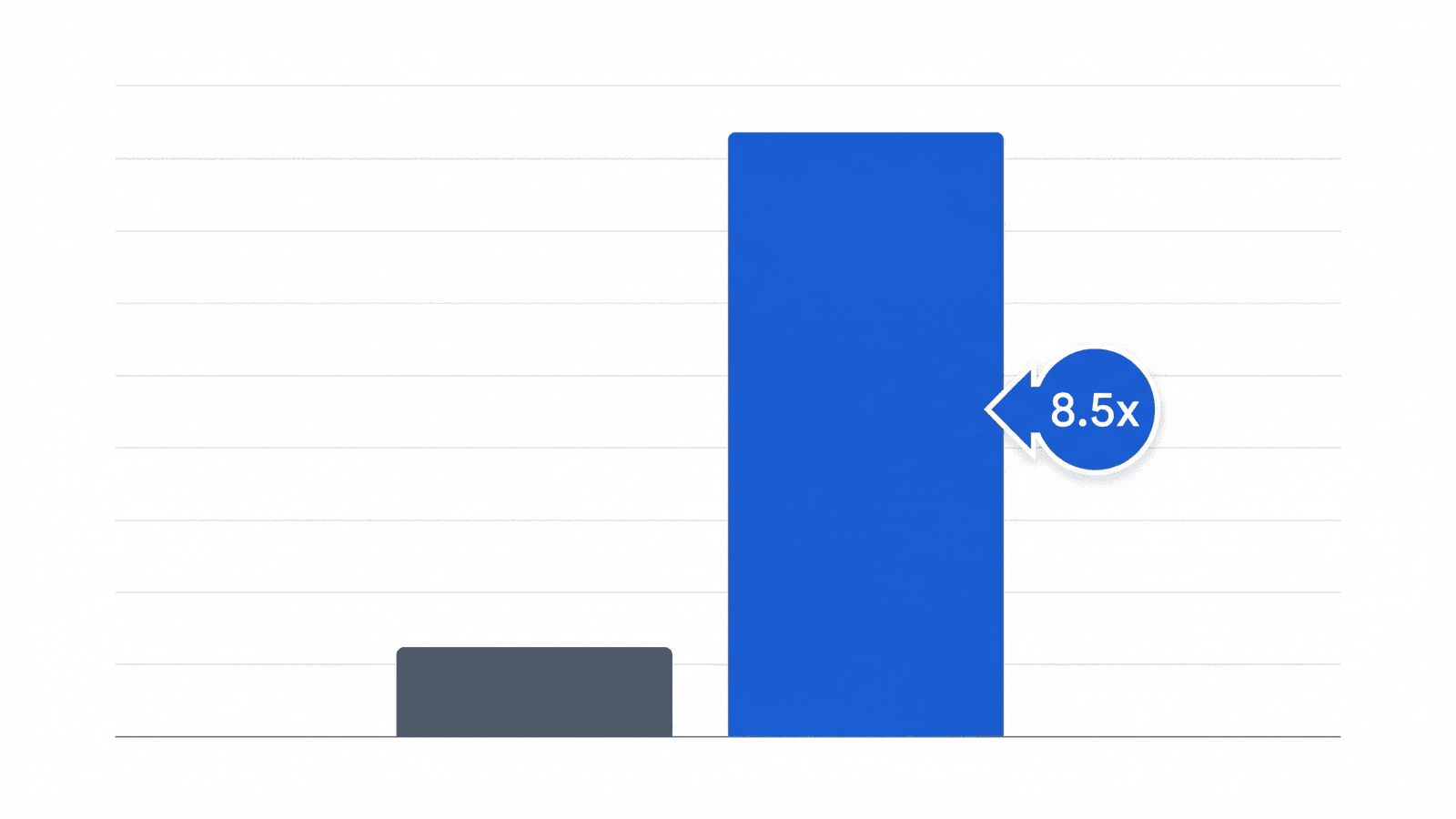
The math is clear. Warm leads close at 14.6% vs 1.7% for cold leads. That's 8.5x better conversion. And the barrier that used to exist? Complex tool stacks. Enterprise pricing. It just isn't there anymore. The game has changed.
Ready to test engagement-based prospecting? Guffles offers $150 in free credits to try this on your own target posts. Paste any LinkedIn post URL. See which ICP-matched engagers you can identify. No complex setup. No multiple subscriptions. Just warm leads from LinkedIn post engagers, waiting to be discovered.
You've got nothing to lose. Start finding your warmest prospects today.
Get $150 in free credits to test engagement-based lead discovery. Paste a LinkedIn post URL. Filter by your ICP. Export warm leads with contact info. No credit card required. No strings attached.
Turn LinkedIn Engagement Into Pipeline
Stop cold outreach. Start reaching people who've already shown interest. Guffles extracts warm leads from LinkedIn post engagers for $79/month.
7-day free trial • Cancel anytime