

Here's a stat that should make you angry: sales reps spend up to 40% of their time just searching for someone to call (SPOTIO, 2025). That's nearly half your day gone before you've had a single conversation.
I've been there. In my 8 years of B2B sales, I've watched teams blow thousands on ZoomInfo subscriptions and still end up with lists of people who never respond. The problem isn't finding contacts. It's finding the right contacts.
The good news? You don't need a $15,000 annual contract to build a B2B prospect list that actually converts. In this guide, I'll show you how to build a B2B prospect list in 30 minutes, for under $100 a month, or even free. The secret isn't working harder. It's starting with signals instead of guesses.
1) What Makes a Prospect List Actually Valuable
Before we get into the how, let's talk about what you're actually building.
A B2B prospect list is a curated database of potential business customers containing contact information, company data, and qualifying criteria that help sales teams prioritize outreach to the most likely buyers.
Sound familiar? Most lists stop there. They're just databases of people who might fit your ICP.
Here's what I've learned after generating $12M+ in pipeline: the type of list matters more than the size. Fifty warm leads will outperform 500 cold contacts every single time. Teams that nail lead qualification see 7x higher conversion rates (Sales So, 2025).
So what should your prospect list actually include?
- Contact name and job title
- Email address and phone number
- Company name, industry, and size
- LinkedIn profile URL
- Engagement history (this is the part most people skip)
That last bullet is the difference between a good list and a great one. But we'll get to that.
2) Cold Leads vs Warm Leads: The 8.5x Conversion Difference
This is where most prospect list guides get it wrong. They focus on finding contacts but ignore which contacts to find.
A warm lead is a prospect who has shown interest in your product category through observable actions before any direct sales contact. These actions include engaging with relevant content, attending webinars, or interacting with competitor posts.
Cold leads? They're just people who match a demographic profile. No prior interaction. No indication they're thinking about the problem you solve.
Look at the numbers:
| Metric | Cold Leads | Warm Leads |
|---|---|---|
| Response Rate | 1-5% | 10-34% |
| Close Rate | 1.7% | 14.6% |
| Sales Cycle | 90-180 days | 30-60 days |
| Touches Required | 8-12 | 2-5 |
Sources: B2B Drum (2025), Industry benchmarks
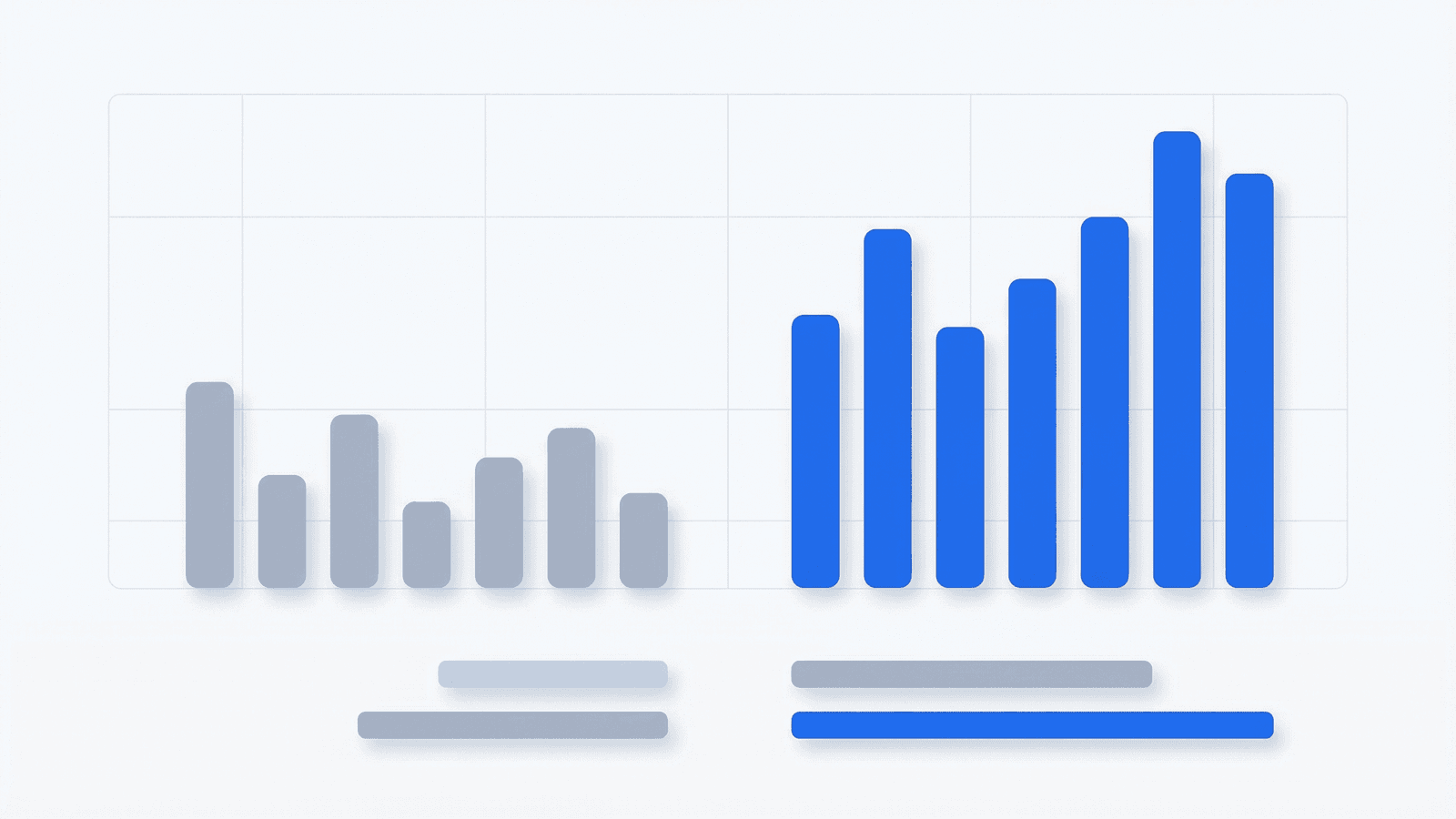
Warm leads close at 14.6% compared to just 1.7% for cold leads. That's an 8.5x improvement in close rates. And you need half the touches to get there.
I'd rather have an okay fit who's actively engaging with competitor content than a perfect ICP match who's never heard of the problem we solve. Engagement is intent. Intent is everything.
So how do you find these warm leads? This is where engagement-based prospecting changes the game. When someone likes or comments on a LinkedIn post about a specific pain point, they're publicly signaling interest in that topic. Learning to identify these social engagement signals that reveal buyer intent is the first step. Tools like Guffles let you extract these engagers and filter them by your ICP criteria, turning public engagement into a warm prospect list. Instead of guessing who might be interested based on job title alone, you're finding people who've already raised their hand.
Now let's talk about how to actually build this list in 30 minutes.
3) The 4-Step Process to Build Your Prospect List in 30 Minutes
Alright, let's get practical. Here's the exact process I use:
Step 1: Define Your ICP (5 minutes)
Get specific. "Salespeople" isn't an ICP. "VP of Sales at B2B SaaS companies with 50-200 employees" is.
If you have existing customers, profile your best ones. What industry? What company size? What job titles sign the checks? Write it down. You can't find the right people if you don't know who you're looking for.
Step 2: Choose Your Data Source (2 minutes)
You have three options:
- Manual: LinkedIn free search, Google (free, slower)
- Engagement-based: Find people already interacting with relevant content (faster, warmer)
- Database tools: Apollo, ZoomInfo (complete, expensive)
The source you choose determines lead quality. Demographic match gets you cold leads. Demonstrated interest gets you warm ones.
Step 3: Collect and Verify Contact Information (15 minutes)
This is where most people waste time. Here's the reality: B2B data decays by 2.1% per month (Reply.io). That's 22.5% of your list outdated within a year.
Verify emails before you add them. Use LinkedIn profiles as your anchor. Organize everything in a spreadsheet or CRM with consistent fields: name, title, company, email, phone, LinkedIn URL, and any engagement notes.
Step 4: Score and Segment Leads by Priority (8 minutes)
Not all leads deserve equal attention. Segment them:
- Hot: Engaged + ICP match (contact immediately)
- Warm: Engaged OR strong ICP match (add to sequence)
- Cool: Demographic match only (nurture first)
Start with the hot leads. Always.

4) Free and Affordable Prospect List Building Methods ($0-79/month)
Let me be honest: manual methods work. They're just slow.
Manual Methods (Free but Time-Intensive)
LinkedIn free search lets you filter by title, company, and industry. It's limited, but it works for small volumes.
Google advanced searches like "VP Sales" + "company name" + email can uncover contact info. Tedious? Yes. Free? Also yes.
Referrals and networking produce the highest-quality leads, but the lowest volume. You can't scale word-of-mouth.
Reality check: manual prospecting caps at about 10-20 verified leads per hour. And you're still guessing who's actually interested.
Affordable Tools That Actually Work
Here's where the math gets interesting:
| Tool | Starting Price | Best For |
|---|---|---|
| LinkedIn Free | $0 | Basic demographic search |
| Guffles | $79/month | Engagement-based warm leads |
| Apollo.io | $99/month | Volume prospecting |
| Sales Navigator | $100/month | LinkedIn-native advanced search |
| ZoomInfo | $15,000+/year | Enterprise data needs |
Manual methods work for small volumes, but they don't scale and you're still guessing who's actually interested. This is where purpose-built tools make sense.
Guffles costs $79/month with $150 in free credits to start. That's a fraction of Apollo ($300+) or ZoomInfo ($15,000+/year). The difference? Guffles focuses specifically on engagement-based leads: paste a LinkedIn post URL, extract everyone who engaged, filter by your ICP. You're building a list of people who've already shown interest, not just a demographic match.
I'm not saying expensive tools don't have their place. They do. But for most teams, $79/month beats $15,000/year when you're trying to find warm leads.
5) Common Mistakes That Kill Your Response Rates
I've made all of these mistakes. Multiple times. Learn from my pain.
1. Prioritizing quantity over quality
500 cold contacts feel productive. But 50 engaged prospects will generate more pipeline. Every time. I've tested this across hundreds of campaigns.
2. Skipping verification
Inaccurate contact data wastes 27.3% of sales reps' time. That's 546 hours per year per rep (TaskDrive, 2025). An hour spent verifying saves ten hours chasing bounced emails.
3. Ignoring engagement signals
A demographic match without intent is just a guess. Someone who commented on a competitor's post about your exact problem? That's a signal. Don't ignore it.
4. Letting your list go stale
Remember that 2.1% monthly decay? A list you built six months ago is missing a quarter of its accuracy. Clean it or trash it.
5. Generic outreach to a targeted list
You spent time building a great list. Don't waste it with "Hi {First_Name}, I'd love to connect." Reference something specific. Their engagement. Their company news. Something.
6) Keeping Your Prospect List Fresh
Your prospect list isn't a one-time project. It's a living document.
The 22.5% problem: B2B contact data decays by 2.1% every month. People change jobs. Companies get acquired. Emails bounce. Within a year, nearly a quarter of your list is garbage.
Here's what I do:
- Monthly cleaning: Remove bounces, update job changes, flag inactive contacts
- Continuous prospecting: Add 5-10 new warm leads weekly instead of batch-building quarterly
- Re-engage through new signals: Someone who went cold might be showing interest again on LinkedIn. Watch for it.
The teams that win aren't the ones with the biggest lists. They're the ones who keep their lists accurate and fresh.
Frequently Asked Questions
How do I build a prospect list from scratch?
Start by defining your ICP. Use LinkedIn free search or Apollo.io to find matching contacts. Collect names, emails, and company data. Organize in a spreadsheet with consistent fields.
What should be included in a sales prospect list?
Include contact name, job title, email, phone, company name, industry, company size, LinkedIn URL, and engagement history. Engagement history separates great lists from okay ones.
How long does it take to build a quality prospect list?
Manual list building takes 15-20 hours weekly. With engagement-based tools and a clear ICP, you can build a qualified list in 30 minutes to 2 hours.
What's the difference between cold leads and warm leads?
Cold leads have no prior interaction and close at 1.7%. Warm leads have shown interest through engagement and close at 14.6%. That's an 8.5x improvement.
How do I find B2B leads without expensive tools?
Use LinkedIn free search, Google queries, referrals, and engagement-based prospecting. These cost $0-79/month versus $300-15,000 for enterprise tools.
Quick Recap: Build Your List in 30 Minutes
- Define your ICP with specific criteria (title, company size, industry)
- Choose engagement-based sources for warm leads over demographic databases
- Verify contacts and score them by engagement + ICP match
Get Your First Warm Prospect List
Let's cut to it: building a B2B prospect list doesn't have to eat your whole week or your whole budget. The three things that matter: quality beats quantity, speed is possible with the right process, and expensive isn't necessary.
After building hundreds of prospect lists, I'd take 50 engaged prospects over 500 cold contacts every time. The math just works.
If you want to test engagement-based prospecting without the manual work, Guffles offers $150 in free credits to get started. Paste a LinkedIn post URL, filter by your ICP, and have a warm prospect list in minutes. No annual contract, no $15,000 commitment. Just $79/month if you decide to continue.
Or take the manual route. Either way, start with warm signals and watch your response rates climb.
Warm leads convert at 14.6% vs 1.7% for cold leads. That's an 8.5x improvement. The fastest path to warm leads? Find people who've already engaged with content about the problem you solve.
Build Your Warm Prospect List Today
Stop guessing who might be interested. Find leads who've already shown intent through social engagement. Get $150 in free credits to start.
7-day free trial • Cancel anytime